Freedom Debt Relief vs National Debt Relief: Full 2026 Comparison
Freedom Debt Relief and National Debt Relief are the two largest debt settlement companies in the United States, handling billions in enrolled debt between them. If you’re considering debt settlement, choosing between them — or deciding whether debt settlement is the right path at all — requires understanding how they actually compare. This is the most detailed, honest head-to-head comparison available.
Company Overviews
National Debt Relief
Founded in 2009, headquartered in New York City. One of the largest debt settlement companies in the country. AFCC accredited, A+ BBB rating. Handles primarily credit card debt, medical bills, and personal loans. Minimum enrollment typically $7,500.
Freedom Debt Relief
Founded in 2002, headquartered in San Mateo, CA. One of the oldest debt settlement companies, with over $15 billion in debt resolved since founding. AFCC accredited, A+ BBB rating. Similar scope to National Debt Relief with minimum enrollment around $7,500–$10,000.
Side-by-Side Comparison
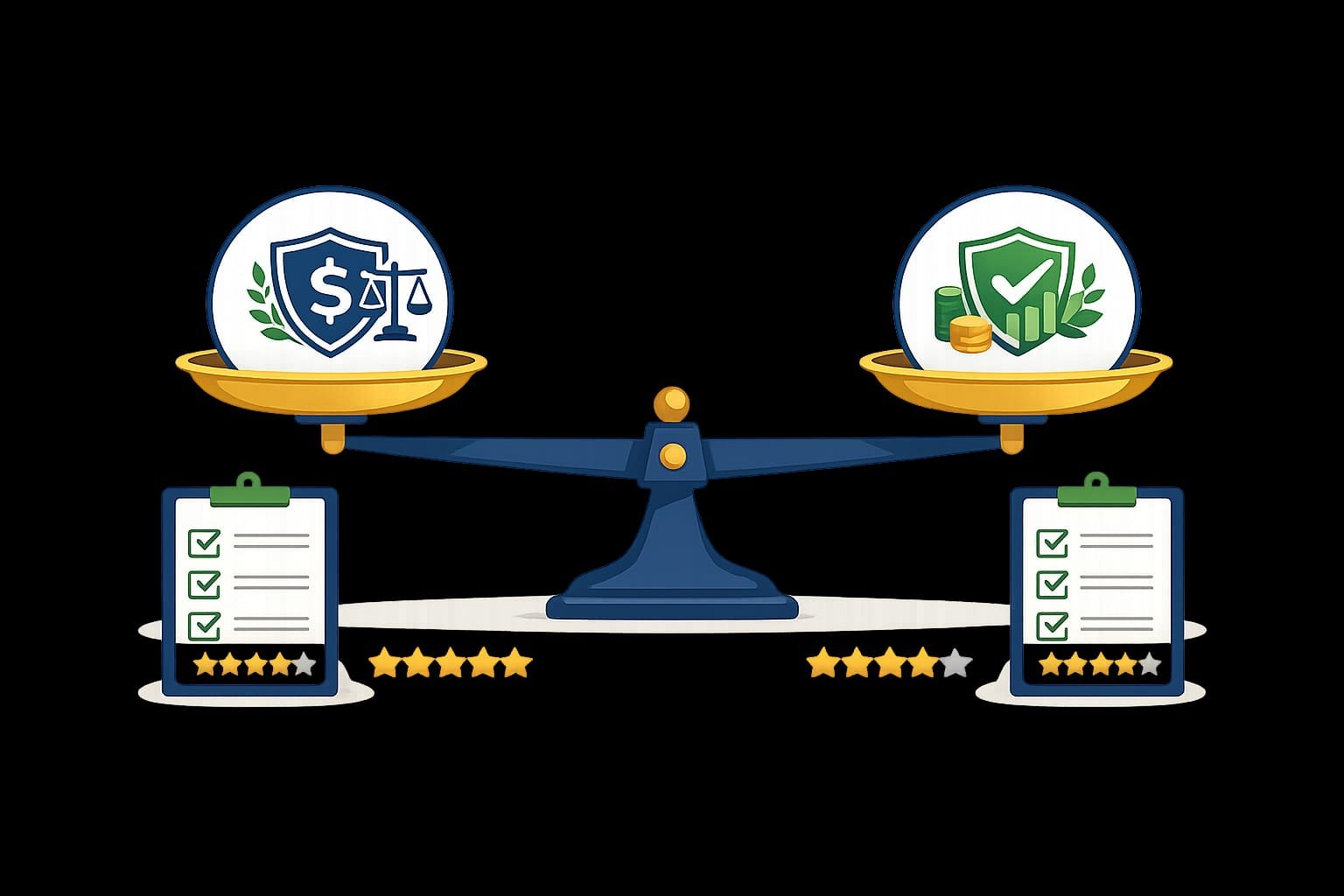
| Factor | National Debt Relief | Freedom Debt Relief |
|---|---|---|
| Founded | 2009 | 2002 |
| BBB Rating | A+ | A+ |
| Fees | 15–25% of enrolled debt | 15–25% of enrolled debt |
| Minimum debt | $7,500 | $7,500–$10,000 |
| Program length | 24–48 months | 24–48 months |
| Typical settlement | ~46 cents on dollar | ~45 cents on dollar |
| Online portal | ✅ Good | ✅ Excellent (FDR Dashboard) |
| Upfront fees | None | None |
| Customer satisfaction | 4.7/5 Trustpilot | 4.6/5 Trustpilot |
Where They Differ
Technology and Transparency
Freedom Debt Relief’s client dashboard (FDRdashboard.com) is widely considered the better client-facing technology, offering clearer real-time visibility into settlement progress, upcoming negotiation timelines, and account status. National Debt Relief’s client portal is functional but less detailed. If active visibility into your account matters to you, Freedom Debt Relief has the edge.
History and Track Record
Freedom Debt Relief has been operating for over 20 years and has resolved more total debt. This longer track record means more established relationships with major creditors and more settlement data to inform their negotiation strategies. National Debt Relief, while founded more recently, has built an equally strong reputation in a shorter time period.
Customer Service Experience
Both companies have responsive customer service. National Debt Relief consistently receives slightly higher customer satisfaction scores in third-party reviews, with clients particularly noting clear communication during the enrollment and early program phases.
Media and Regulatory History
Freedom Debt Relief reached a settlement with the CFPB in 2019 over certain fee disclosure and client authorization practices, paying $20 million in restitution. Since that settlement, the company has updated its practices. National Debt Relief has not faced equivalent regulatory action. This history is worth noting but should be weighed against the decade-plus since the issues were identified and resolved.
When to Choose National Debt Relief
National Debt Relief may be the better fit if: you prioritize a company with no significant regulatory history, you value higher customer satisfaction scores in recent reviews, or you’re enrolling a relatively smaller debt load ($7,500–$15,000).
When to Choose Freedom Debt Relief
Freedom Debt Relief may be the better fit if: you want the best client-facing technology and transparency dashboard, you’re enrolling a larger debt load where their negotiation track record matters more, or their specific creditor relationships are more relevant to your debt types.
The More Important Question: Is Debt Settlement Right for You?
The choice between these two companies matters far less than whether debt settlement itself is the right path. Both companies deliver similar outcomes. Debt settlement — through either — involves credit damage, fees, potential lawsuits, and tax consequences. Before enrolling with either, seriously consider:
- Can you qualify for a debt consolidation loan at a meaningful rate? If yes, that’s likely better.
- Can you negotiate directly with creditors yourself? You can achieve similar settlements without paying 15–25% in fees.
- Is bankruptcy a cleaner solution for your situation? Chapter 7 achieves total discharge faster with a known credit impact.
If after considering alternatives, debt settlement is your path, either National Debt Relief or Freedom Debt Relief is a legitimate, accredited choice. Get free consultations from both and compare the specific program terms for your debt load before deciding. See our in-depth National Debt Relief review for the complete breakdown of their specific program.
Frequently Asked Questions
Do both companies accept all types of debt?
Both focus on unsecured debt: credit cards, medical bills, personal loans. Neither works with secured debt (mortgage, auto), federal student loans, tax debt, or utilities.
Can I negotiate my own debt instead of using these companies?
Yes — and you keep the 15–25% fee that would otherwise go to the company. The tradeoff is time, knowledge, and comfort with negotiation. Our guide to negotiating with creditors includes scripts for settling delinquent accounts yourself.
What happens to credit cards after debt settlement?
Settled accounts are typically reported as “settled” or “settled for less than full balance” on your credit report. This notation remains for 7 years from the original delinquency date. It’s negative, but less damaging than a continuing unpaid collection account.