
National Debt Relief Review 2026: Is It Worth It? Honest Look at Fees, Results & Alternatives
When you’re drowning in $15,000, $25,000, or even $50,000 of unsecured debt, the promise of a company that can settle it for less than you owe sounds almost too good to be true. National Debt Relief is one of the biggest names in the debt settlement industry — but is it actually worth using in 2026? What are the real fees, the real risks, and the real results?
This review breaks down everything you need to know before you pick up the phone or fill out their online form.
What Is National Debt Relief?
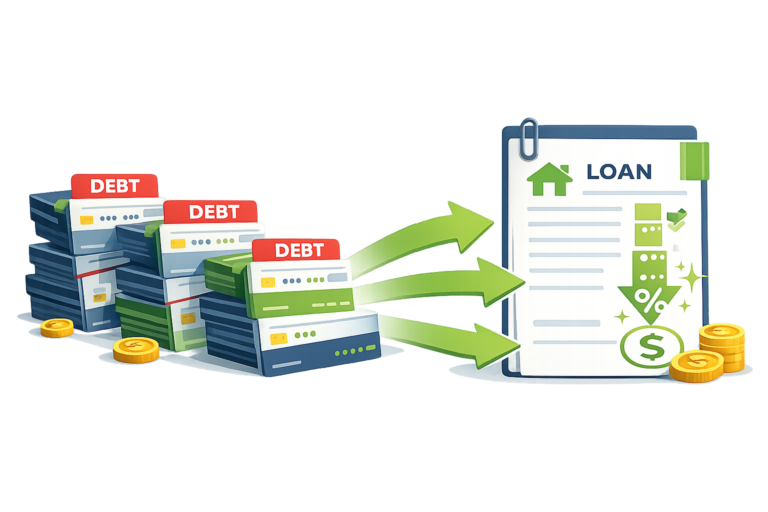
Founded in 2009, National Debt Relief is one of America’s largest debt settlement companies. They negotiate directly with your creditors — credit card companies, medical debt collectors, personal loan lenders — to accept a lump sum payment that’s less than what you actually owe. The difference is “forgiven,” and you pay National Debt Relief a percentage fee for making it happen.
The company is accredited by the Better Business Bureau (BBB) with an A+ rating, is a member of the American Fair Credit Council (AFCC), and has helped over 500,000 Americans resolve their debt since founding. These aren’t small credentials — they matter when you’re handing over your financial trust to a third party.
How Does the Process Work?
Step 1: Free Consultation
You start with a free phone consultation where a debt counselor reviews your financial situation. They’ll ask about your total debt, types of debt, income, and current ability to pay. This call is genuinely free and comes with no obligation.
Step 2: Enrollment
If you qualify (typically $7,500+ in unsecured debt), you’ll be enrolled in their program. You’ll stop making payments to your creditors and instead start depositing a monthly amount into a dedicated savings account that you control.
Step 3: Negotiation
As your savings account grows and your accounts become delinquent, National Debt Relief’s negotiators contact your creditors to settle the debt. Creditors are often willing to accept 40–60 cents on the dollar rather than risk getting nothing through a bankruptcy filing.
Step 4: Settlement and Payment
When a settlement is reached, you approve it before any money is moved. The settlement amount is paid from your savings account, and National Debt Relief collects their fee only after a successful settlement is completed. This is important — they don’t charge you upfront.
Step 5: Program Completion
The typical program runs 24 to 48 months, depending on your total debt amount and how quickly your savings account grows. At completion, your enrolled debts are resolved.
What Does National Debt Relief Cost?
This is where many people get a surprise. National Debt Relief is not free — their fee is 15% to 25% of your enrolled debt amount, depending on your state and specific situation.
Example calculation:
You enroll $20,000 in credit card debt
NDR negotiates settlements averaging 50 cents on dollar = $10,000 total settlements
NDR fee at 20% = $4,000
Total you pay = $14,000 instead of $20,000
You save $6,000 — even after fees
The fee structure sounds steep, but when you compare it to continuing minimum payments on high-interest credit cards for 15 to 20 years, the math often still favors debt settlement for people who truly cannot afford their payments.
What Are the Real Risks?
National Debt Relief’s process is legitimate, but it’s not without significant downsides that you need to understand before enrolling:
Credit Score Damage
When you stop paying creditors as part of the program, your credit score will drop — often significantly. Accounts will show as delinquent, and settled accounts will remain on your report for seven years. This is the biggest drawback and something NDR is upfront about.
Creditor Lawsuits
Some creditors, especially larger banks, may choose to sue rather than negotiate. While this is not common, it’s a real risk during the negotiation period. NDR counselors can guide you through this if it happens, but it adds stress to an already stressful process.
Tax Implications
The IRS considers forgiven debt as taxable income. If NDR settles $10,000 of your debt, you may receive a 1099-C form and owe taxes on that amount. This catches many people off guard. There are exceptions (the insolvency exclusion), but you should consult a tax professional.
Not All Debts Qualify
National Debt Relief only handles unsecured debt — credit cards, personal loans, medical bills, and some private student loans. They cannot help with mortgages, auto loans, federal student loans, child support, or tax debt.
Who Should Use National Debt Relief?
NDR is a good fit if you:
- Have $10,000 or more in unsecured debt
- Are experiencing genuine financial hardship (job loss, medical emergency, divorce)
- Cannot afford your minimum monthly payments
- Want to avoid bankruptcy but need significant relief
- Are willing to accept short-term credit damage for long-term debt relief
It’s NOT a good fit if you:
- Have primarily secured debt (mortgage, car loans)
- Are current on payments and have good credit you want to protect
- Have less than $7,500 in total debt (the DIY route makes more sense)
- Need a solution that won’t impact your credit score
If bankruptcy might be on your radar as an alternative, our detailed guide on how to file DIY bankruptcy walks you through exactly when Chapter 7 or Chapter 13 makes more sense than debt settlement — an important comparison to make before committing.
National Debt Relief vs Alternatives
| Option | Best For | Credit Impact | Cost |
|---|---|---|---|
| National Debt Relief | $10k+ unsecured debt, hardship | Significant drop | 15–25% of debt |
| Debt Consolidation Loan | Good credit, steady income | Minimal | Interest only |
| Credit Counseling (DMP) | Moderate debt, steady income | Minor impact | Small monthly fee |
| Chapter 7 Bankruptcy | Extreme hardship, no assets | Severe, 10 years | $1,500–$3,500 legal fees |
| DIY Debt Payoff | Motivated, has some income | None | Free |
Also worth reading: our review of Credit Secrets — an alternative approach that focuses on improving your credit score simultaneously while you work on debt reduction.
Frequently Asked Questions
Is National Debt Relief legitimate?
Yes. They are BBB accredited with an A+ rating, AFCC members, and have served over 500,000 clients since 2009. They are one of the most regulated and transparent companies in the debt settlement industry.
Will National Debt Relief ruin my credit?
The process will damage your credit score, yes. However, for people already struggling with debt, their credit may already be declining. Many clients report rebuilding their credit within 2 to 3 years after completing the program.
How much debt do I need to qualify?
The minimum is typically $7,500 in unsecured debt, though most counselors recommend the program for people with $10,000 or more for the cost to make sense.
How do I get started?
Call their free consultation line or fill out their online form at nationaldebtrelief.com. The initial consultation is free and there’s no obligation to enroll.
Final Verdict
National Debt Relief is not for everyone. But for people genuinely buried in unsecured debt without a realistic path to paying it off, it can be a legitimate lifeline. The fees are real, the credit impact is real, and the process takes time. But the alternative — years of minimum payments that barely touch the principal while interest compounds — is often far more costly in the long run.
Get the free consultation, understand the full cost, and compare it against your other options before deciding. At minimum, it’s worth 20 minutes of your time to know exactly where you stand.
Get Your Free Debt Relief Consultation
Find out in minutes if National Debt Relief can reduce what you owe. No obligation, no upfront fees.