Debt Snowball vs Debt Avalanche: Which Pays Off Debt Faster?
You’ve decided to get serious about paying off debt. Good. Now comes the question almost everyone gets stuck on: snowball or avalanche?
Both methods work. Both have helped millions of people become debt-free. But they work differently, and the right one for you depends on more than just math.
Let’s break it down.
What Is the Debt Snowball Method?
The snowball method, popularized by Dave Ramsey, is simple: list your debts from smallest balance to largest, and attack the smallest one first — regardless of interest rate.
You pay minimums on everything else, and throw every extra dollar at Debt #1 until it’s gone. Then you roll that payment into Debt #2. And so on.
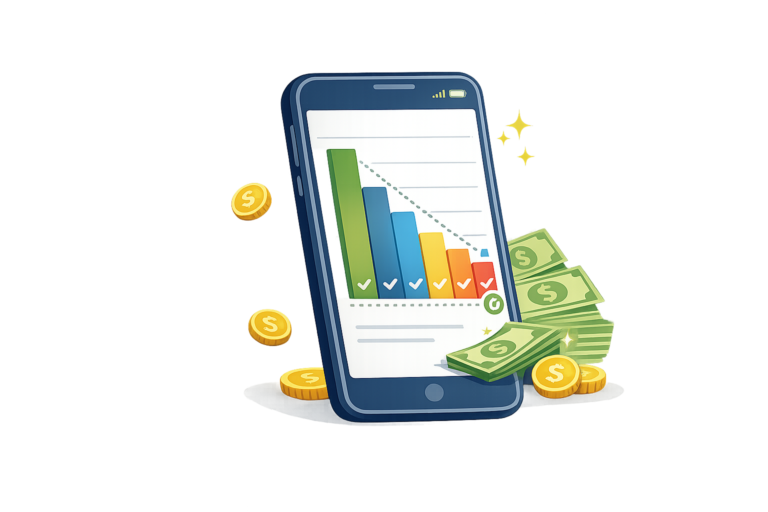
The “snowball” comes from the idea that your payments get bigger and bigger as you eliminate debts — like a snowball rolling downhill.
What Is the Debt Avalanche Method?
The avalanche method is the mathematically optimal approach: list your debts from highest interest rate to lowest, and attack the highest-rate debt first.
Same concept — pay minimums on everything, extra money toward the top debt — but ordered by APR instead of balance.
The Math: Which Actually Saves More Money?
Let’s use a real example. Say you have these three debts and $500/month to put toward them:
| Debt | Balance | APR | Min Payment |
|---|---|---|---|
| Credit Card A | $3,000 | 24% | $60 |
| Personal Loan | $8,000 | 14% | $185 |
| Car Loan | $12,000 | 7% | $240 |
Avalanche result: Debt-free in ~28 months, total interest paid: ~$4,100
Snowball result: Debt-free in ~30 months, total interest paid: ~$5,300
The avalanche saves about $1,200 and gets you out 2 months faster. Mathematically, it wins every time.
So Why Does Anyone Use the Snowball?
Because humans aren’t robots.
A 2016 study published in the Journal of Marketing Research found that people are significantly more motivated — and more likely to stay on track — when they see individual debts disappear completely. The psychological reward of eliminating a debt entirely keeps people going.
In the example above, the snowball method means you eliminate the $3,000 credit card in about 5 months. With the avalanche, you’re staring at the same three debts for longer before anything disappears.
The best method is the one you’ll actually stick with for 2–3 years.
Which One Should You Pick?
Choose Avalanche if: You’re disciplined, motivated by numbers, and the interest rate difference between your debts is large (5%+)
Choose Snowball if: You’ve tried paying off debt before and quit, you need quick wins to stay motivated, or the math difference between methods is small
A Third Option: Consolidate First
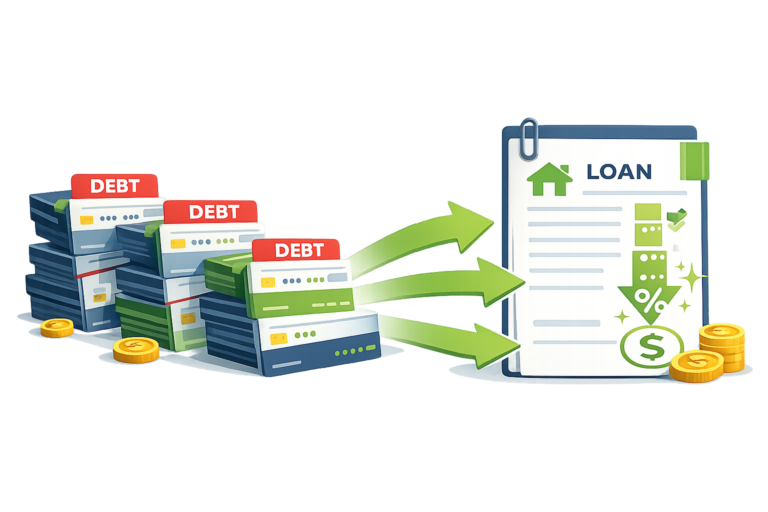
Before choosing a method, consider whether you can lower your interest rates entirely. A debt consolidation loan can combine multiple high-interest debts into one lower monthly payment — making either method more effective.
National Debt Relief offers free consultations and can help you understand all your options before you commit to a payoff strategy.
The Bottom Line
Snowball wins on psychology. Avalanche wins on math. Both beat the alternative — paying minimums forever and spending twice what you originally borrowed.
Pick one. Start today. Adjust later if needed. The only losing move is not starting at all.